Furnace vs. Heat Pumps: Which Is Better for an Illinois Winter?

Illinois winters can be tough. Freezing temperatures, strong winds, and sudden cold spells put a lot of pressure on home heating systems. If you need to replace an old system or are renovating, you might wonder if a furnace or a heat pump is better for Illinois weather.
The best choice depends on things like climate, efficiency, your home’s design, and long-term costs. This guide explains how furnaces and heat pumps work, how they handle Midwest winters, and which option might fit your Illinois home.
How a Furnace Works in Cold Climates
A furnace creates heat by burning fuel or using electricity to warm air, then sends that air through ducts in your home.
Gas furnaces
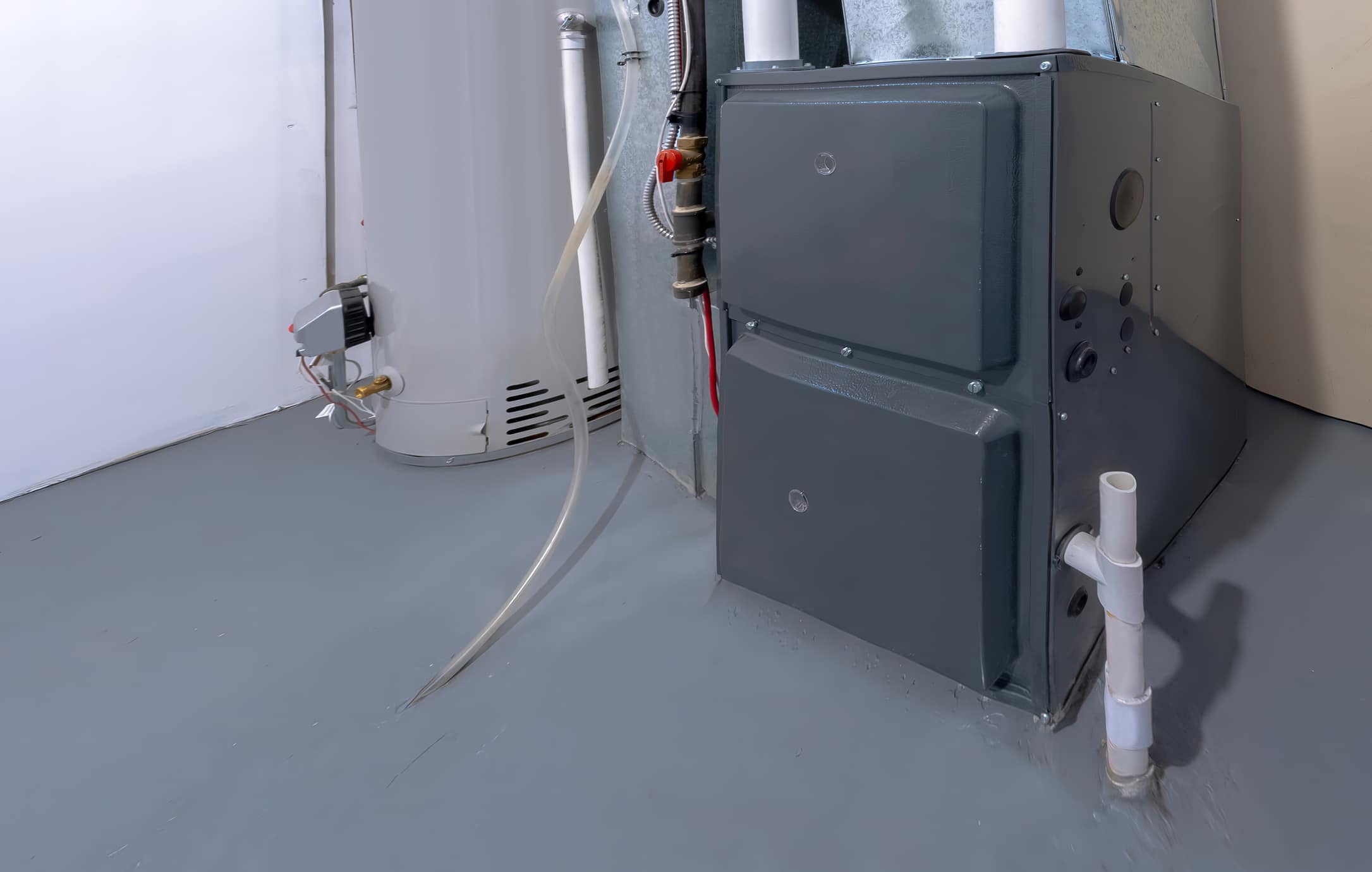
Most homes in Illinois use natural gas furnaces. These systems burn gas in a sealed chamber and then move the warm air throughout the house.
Electric furnaces
Electric furnaces use heating elements instead of burning fuel. They are reliable, but usually cost more to run in cold climates.
Why furnaces perform well in Illinois
Furnaces make heat inside your home instead of pulling it from outside. This helps them keep your home warm even when it’s very cold. New high-efficiency furnaces provide steady, reliable heat no matter the weather.
How Heat Pumps Work
Heat pumps work differently from furnaces. They move heat instead of making it.
In winter, a heat pump takes heat from the outside air and brings it inside. In summer, it does the opposite and cools your home.
Air-source heat pumps
These systems draw heat from the air outside. Even when it feels cold, there is still some heat for them to use.
Cold-climate heat pumps
Newer models are built to work better in colder weather, so they are more useful in places like Illinois.
Why climate matters so much
When it gets colder outside, heat pumps have a harder time finding heat to bring indoors. They become less efficient, so the local climate really affects how well they work.
Performance in an Illinois Winter
This is where you’ll notice the biggest differences between the two systems.
Furnace performance
Furnaces work well no matter how cold it gets outside. Whether it’s 20 degrees or much colder, a properly sized furnace keeps your home warm. This reliability is why most people in Illinois still choose furnaces.
Heat pump performance
Standard heat pumps become less efficient as it gets colder. In very cold weather, many need backup electric heat, which uses more energy. Cold-climate heat pumps do better, but long stretches of freezing weather can still be tough for them.
During long, cold spells in Illinois, furnaces usually give more reliable heat without needing extra systems.
Energy Efficiency and Operating Costs
Efficiency is important, but it’s best to look at it realistically.
Furnace efficiency
Modern gas furnaces can be over 95 percent efficient. Since natural gas is fairly affordable in Illinois, running costs are usually steady and manageable.
Heat pump efficiency
Heat pumps are very efficient when it’s not too cold. In fall and spring, they can use less energy than furnaces. But in winter, they lose efficiency, and using backup heat can make your bills go up.
In Illinois, heat pumps can save you money in the fall and spring, but furnaces are usually cheaper to run during the coldest winter months.
Installation and Upfront Costs
The amount you pay upfront is just as important as your monthly bills.
Furnace installation
If your home already has ducts and gas service, replacing a furnace is usually simple. It often costs less to install than a heat pump, especially if you don’t need electrical upgrades.
Heat pump installation
Heat pumps usually cost more at first. You might need to upgrade your electrical panel, find space for the outdoor unit, or add backup heat, which can all add to the price. Incentives and rebates can help, but they depend on the program and what’s available.
Comfort and Indoor Air Quality
Comfort means more than just the temperature in your home.
Furnace comfort
Furnaces heat your home quickly, which many people like on cold mornings or nights. But if not managed well, forced air can cause temperature changes and dry out the air indoors.
Heat pump comfort
Heat pumps provide steady, lower-temperature heat for longer cycles. This can feel more consistent, but some homeowners perceive it as cooler air compared to furnace heat, especially during very cold weather.
Hybrid Systems: a Growing Option in Illinois
Many people in Illinois are now choosing hybrid, or dual-fuel, systems.
A hybrid system uses a heat pump when it’s mild and switches to a gas furnace when it gets colder. This setup balances efficiency and reliability, helping lower energy costs while keeping your home comfortable in winter.
Hybrid systems are especially popular for people who want both energy efficiency and strong winter performance.
Which System is Better for Your Illinois home?
A furnace is often the better choice if:
- Your home experiences long periods of subfreezing temperatures
- You want consistent heat output in extreme cold
- Natural gas service is available
- You prefer lower upfront costs
A heat pump may make sense if:
- You want both heating and cooling in one system
- You are prioritizing energy efficiency and emissions reduction
- Your home is well-insulated and air-sealed
- You are considering a hybrid system with furnace backup
The best choice depends on your home’s construction, how well it’s insulated, your energy goals, and your long-term plans.
American Vintage Helps You Choose the Right Heating System for Winter Comfort
Illinois winters require a heating system that is reliable, efficient, and built for long periods of cold. Heat pumps have improved a lot, but furnaces still perform best in extreme cold. For many people, hybrid systems offer a good mix of efficiency and dependable heat.
The team at American Vintage Home helps Illinois homeowners look at their options, considering climate, home design, and long-term comfort. If you’re thinking about a furnace, heat pump, or hybrid system, schedule a consultation to find the best heating solution for your home before winter comes.