The Hidden Costs of Poor Indoor Air Quality in Older Homes

Older homes in the Chicago area come with charm and character, but they can also hide serious indoor air quality issues. From outdated HVAC systems to hidden contaminants, poor air quality can affect your comfort, health, and energy costs every day. Learning more about the causes and what you can do to address the situation can help improve your indoor air quality dramatically.
Why Older Homes Are More Vulnerable to Poor Indoor Air Quality
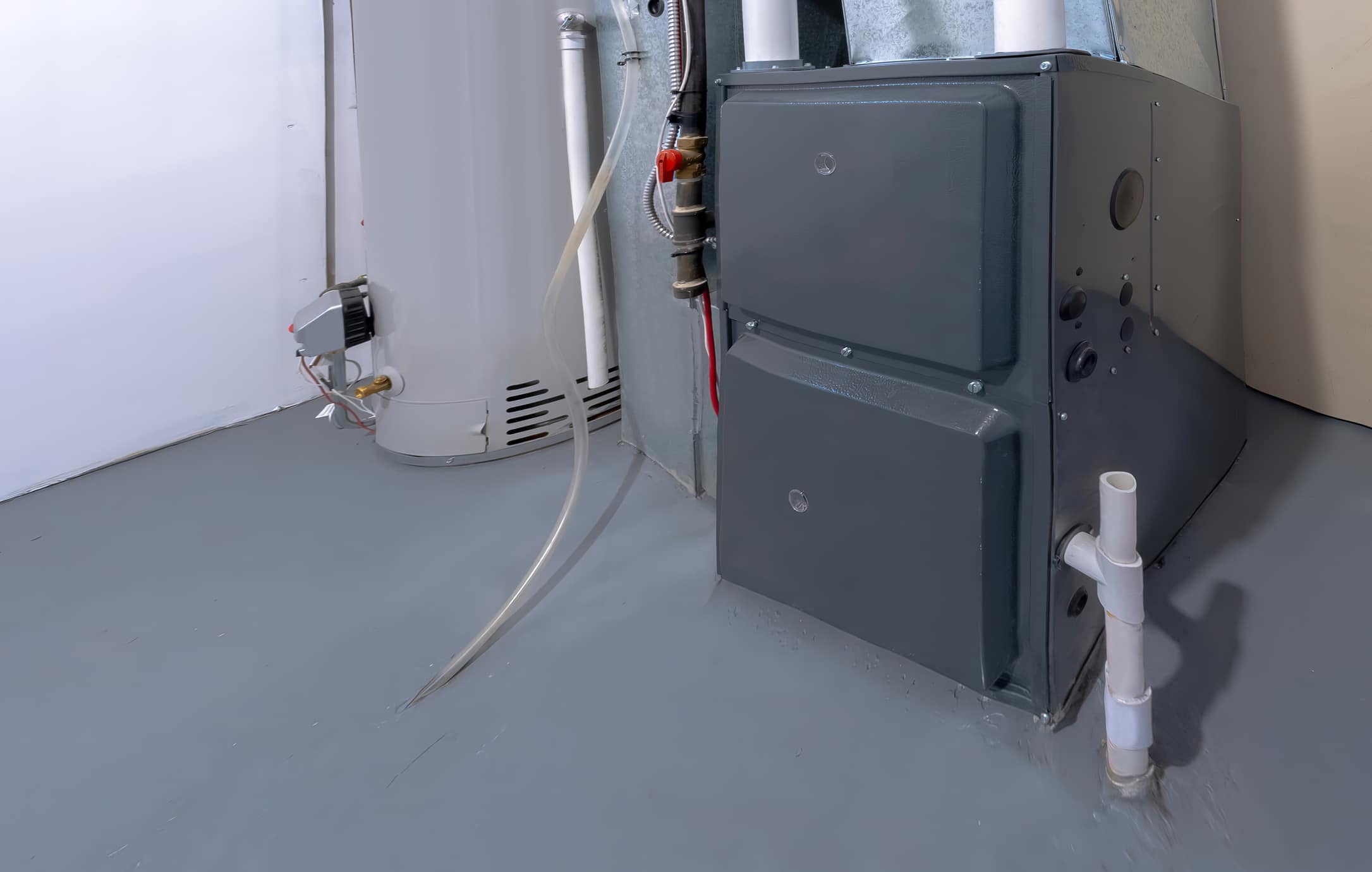
There are many reasons that older homes are more prone to indoor air quality issues. Many have outdated HVAC systems that no longer work efficiently at capturing pollutants. They also may not be able to regulate humidity properly. Modern systems are much more capable of helping you maintain a healthier indoor environment. That’s why it’s so important to consider upgrading your system when it reaches between 15 and 20 years old.
Aging and leaky ductwork are other issues. Contaminants can enter through gaps and flow through your system. These gaps can lead to several other air quality problems in older homes, including significant energy loss and uneven airflow. Professional duct sealing is the best option for addressing this issue.
Common Indoor Air Pollutants
Many types of pollutants are found in homes, especially older ones. Common contaminants in homes of all ages are dust, pet dander, and pollen. However, if the house has had few upgrades over the years, there may be dangerous pollutants ranging from asbestos to dust from lead paint. Mold growth can also be a serious issue stemming from problems like foundation cracks and old, leaking plumbing pipes.
The Effects of Poor Indoor Air Quality
The effects of poor indoor air quality go beyond problems like stuffy, stale air and inconsistent temperatures. Health issues are one of the most serious. Symptoms can include fatigue, sneezing, dizziness, and headaches. In some cases, long-term exposure to certain pollutants has been linked to serious health concerns, including respiratory illness. Many of these issues create hidden costs for homeowners, including higher energy bills, more frequent repairs, and premature system replacement.
When indoor air is filled with dust, pet dander, and other fine particles, it can do more than impact comfort. These contaminants circulate through your HVAC system, where they can clog filters and accumulate on internal components. Over time, this buildup forces your system to work harder to maintain consistent temperatures. The added strain can lead to reduced efficiency, increased wear on key components, and a greater risk of unexpected repairs or system failure.
How Indoor Air Quality Solutions Can Help
As older home experts, our team at American Vintage Home understands the unique challenges that come with maintaining comfort and air quality in vintage properties. We offer many top-notch indoor air quality solutions, ranging from air filtration to humidity control. In addition to filtration and humidity control, proper ventilation plays a key role in maintaining healthy indoor air. Ensuring a steady exchange of indoor and outdoor air can help reduce the buildup of contaminants and improve overall comfort. These solutions could help reduce the amount of pollutants, encourage balanced humidity levels, and even make the air feel less stuffy. However, if you have an outdated HVAC system, replacing it can make a dramatic difference. Numerous benefits come with an upgrade, including improved energy efficiency, quieter operation, and reduced utility bills. Better indoor air quality is also a major advantage, especially for homes with health-compromised individuals or allergy sufferers.
Improve Your Air Quality Today
Take steps today to combat poor indoor air quality effects at your home. American Vintage Home in Oak Park, IL, specializes in solving indoor air quality challenges in older homes throughout Chicago and the North Shore.
Call today or contact us online to get started with indoor air quality improvements for your older home.