What is Steam Heating? How Does It Work?
Steam heating is one of the oldest types of central heating still used in homes and buildings. While most modern systems use forced air or hot water, steam heat is still common in many older properties in the Northeast and Midwest. If you own a historic home or manage an older building, understanding how steam heating works can help you stay comfortable, avoid costly repairs, and know when to call for upgrades or professional help.
This guide explains what steam heating is, how it works, why it was so popular, and how it compares to modern heating systems.
What is Steam Heating?
Steam heating uses a boiler to make steam, which then spreads heat throughout a building. Instead of sending warm air through ducts, steam systems use radiators or convectors in each room. These radiators give off heat as the steam cools and turns back into water.
Steam heating systems were widely installed in homes and commercial buildings from the late 1800s through the early 20th century. Many of those systems are still operating today, often with updated boilers but original piping and radiators.
The Basic Components of a Steam Heating System
Most home steam heating systems have a few main parts, even though designs can differ.
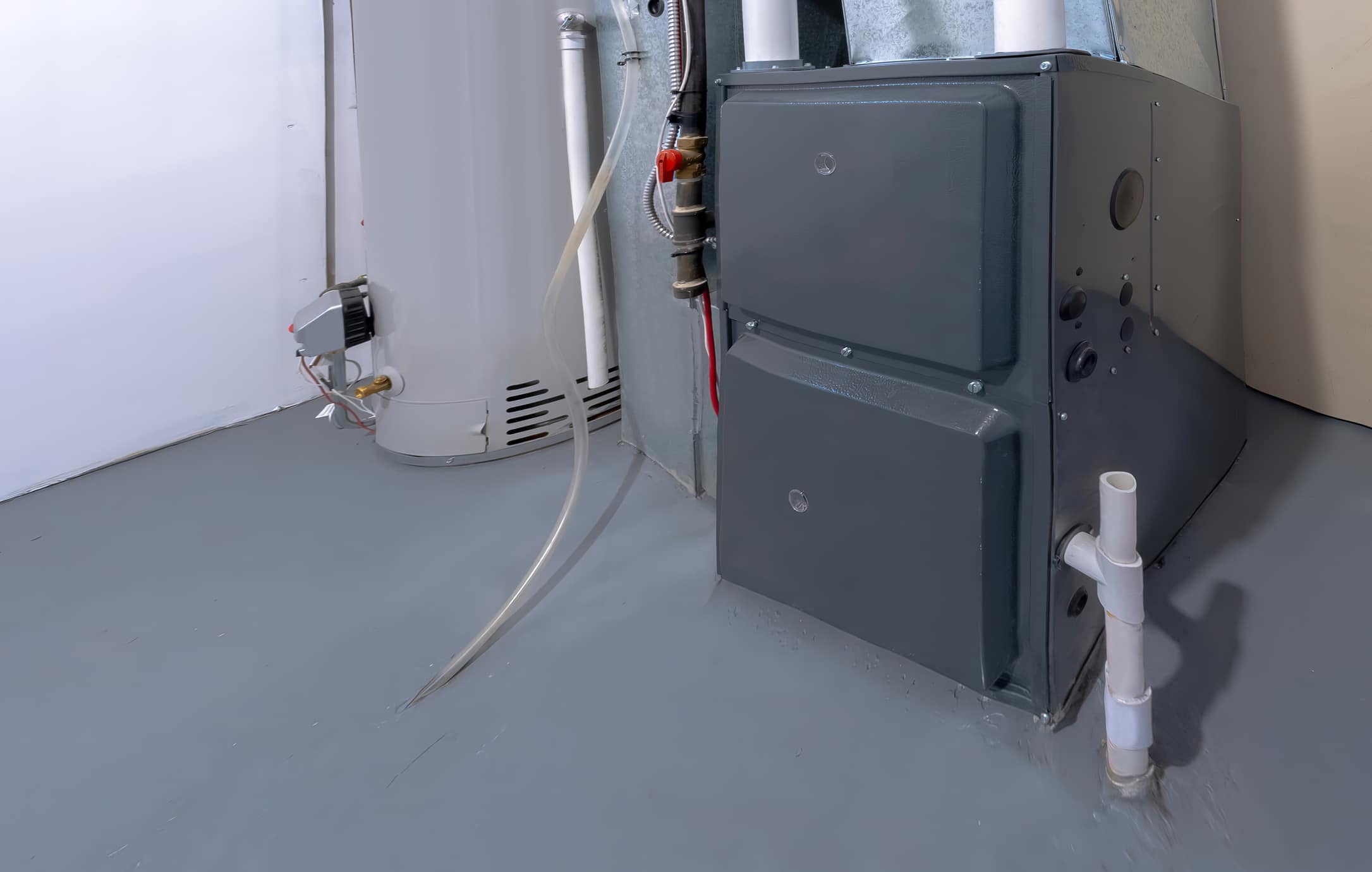
The Boiler
The boiler is the main part of a steam heating system. It heats water until it boils and becomes steam. Most boilers run on natural gas, oil, or electricity.
Steam Piping
After the steam is generated, it travels through pipes to radiators throughout the building. These pipes are usually made of steel or iron and can handle high heat.
Radiators or Convectors
Radiators are the visible heat sources inside rooms. As steam enters a radiator, it releases heat into the surrounding air. Older homes often feature large cast-iron radiators, while some systems use compact convectors hidden behind covers.
Air Vents and Valves
Steam systems use air vents to let out trapped air, which helps steam move through the pipes. Radiator valves control when steam enters each radiator and help manage the room’s temperature.
Condensate Return
When steam cools inside the radiator, it turns back into water. This water then returns to the boiler, either through the same pipes or separate return lines, depending on the system.
How Does Steam Heating Work? Step-by-Step Guide
Knowing how the heating cycle works helps you understand both the benefits and the unique features of steam heat.
Step 1: Water heats in the boiler
The boiler heats water until it boils, producing steam. As the steam forms, pressure builds up inside the boiler.
Step 2: Steam travels through pipes
The pressure moves the steam through the pipes to the radiators in each room.
Step 3: Radiators release heat
When steam enters a radiator, it heats up the metal. The metal then radiates heat into the room.
Step 4: Steam condenses back into water
As the steam cools, it turns back into water. This water drains from the radiator and goes back to the boiler.
Step 5: The cycle repeats
The boiler heats the water that returns, producing more steam and repeating the cycle until the thermostat turns the system off.
One-Pipe vs Two-Pipe Steam Systems
There are two main types of steam heating systems.
One-Pipe Steam Systems
A one-pipe system uses a single pipe to send steam to the radiator and return water to the boiler. Each radiator has an air vent to let out trapped air. These systems are simpler but can be noisy if not well-maintained.
Two-Pipe Steam Systems
Two-pipe systems have one pipe for steam and another for returning water. They usually offer better temperature control and are quieter, but they are more complicated.
Why is Steam Heating so Popular?
Steam heating became popular for several good reasons in its day.
- It required no electricity, making it reliable before modern power grids.
- It could heat large buildings evenly with minimal mechanical parts.
- Cast iron radiators held heat for long periods, even after the boiler shut off.
- Steam systems were durable and built to last decades.
Many of these benefits still matter today, especially in older homes with strong construction and high ceilings.
Common Benefits of Steam Heating Today
Even today, steam heat has some clear advantages.
Comfortable, radiant warmth
Steam radiators give off steady radiant heat rather than blowing hot air. This often feels more comfortable and doesn’t dry out the air as much.
Quiet operation when tuned correctly
If a steam system is set up right, it should run quietly without banging or hissing.
Long system lifespan
With proper care, many steam systems can last 50 to 100 years, especially those with cast-iron parts.
Common Drawbacks and Challenges
Steam heating also has some drawbacks that homeowners should know about.
Less precise temperature control
Traditional steam systems heat in cycles, so rooms can sometimes feel too warm or too cold.
Higher fuel usage, if inefficient
Old boilers and poorly maintained systems can waste energy and raise heating bills.
Maintenance sensitivity
Steam systems need pipes set at the right angle, working air vents, and the right water level in the boiler. Even small problems can cause noise or uneven heat.
Noise issues
Banging, clanging, or hissing usually means there’s trapped water, a bad vent, or a pressure issue.
Heat vs Hot Water and Forced Air
Steam heating is quite different from other common heating systems.
Steam systems run at higher temperatures and pressure than hot water systems, but hot water systems are usually more efficient and allow for better zoning.
Unlike forced air systems, steam heating doesn’t use ducts or blowers. This means no drafts or dust blowing around, but also no built-in air conditioning or air filters.
Whether steam heat is the best choice depends on your building, the system’s condition, and your preferences as a homeowner.
Maintaining a Steam Heating System
Taking care of your steam heating system is key to keeping it running efficiently.
- Annual boiler inspections and servicing
- Regular cleaning of boiler components
- Checking and replacing faulty air vents
- Maintaining correct boiler pressure
- Ensuring pipes are properly pitched for drainage
Regular professional maintenance can fix many problems, so you often don’t need to replace the whole system.
Is Steam Heating Still a Good Option?
Steam heating can still be a great choice for older homes and buildings if it’s well-maintained. While it may not be as efficient as newer systems unless upgraded, its durability, comfort, and simple design have kept it useful for over a hundred years.
If your home uses steam heat, knowing how it works helps you make better choices about maintenance, repairs, and upgrades. With proper care, steam heating can keep your home warm and reliable for many years.
Is Steam Heating Right for Your Home?
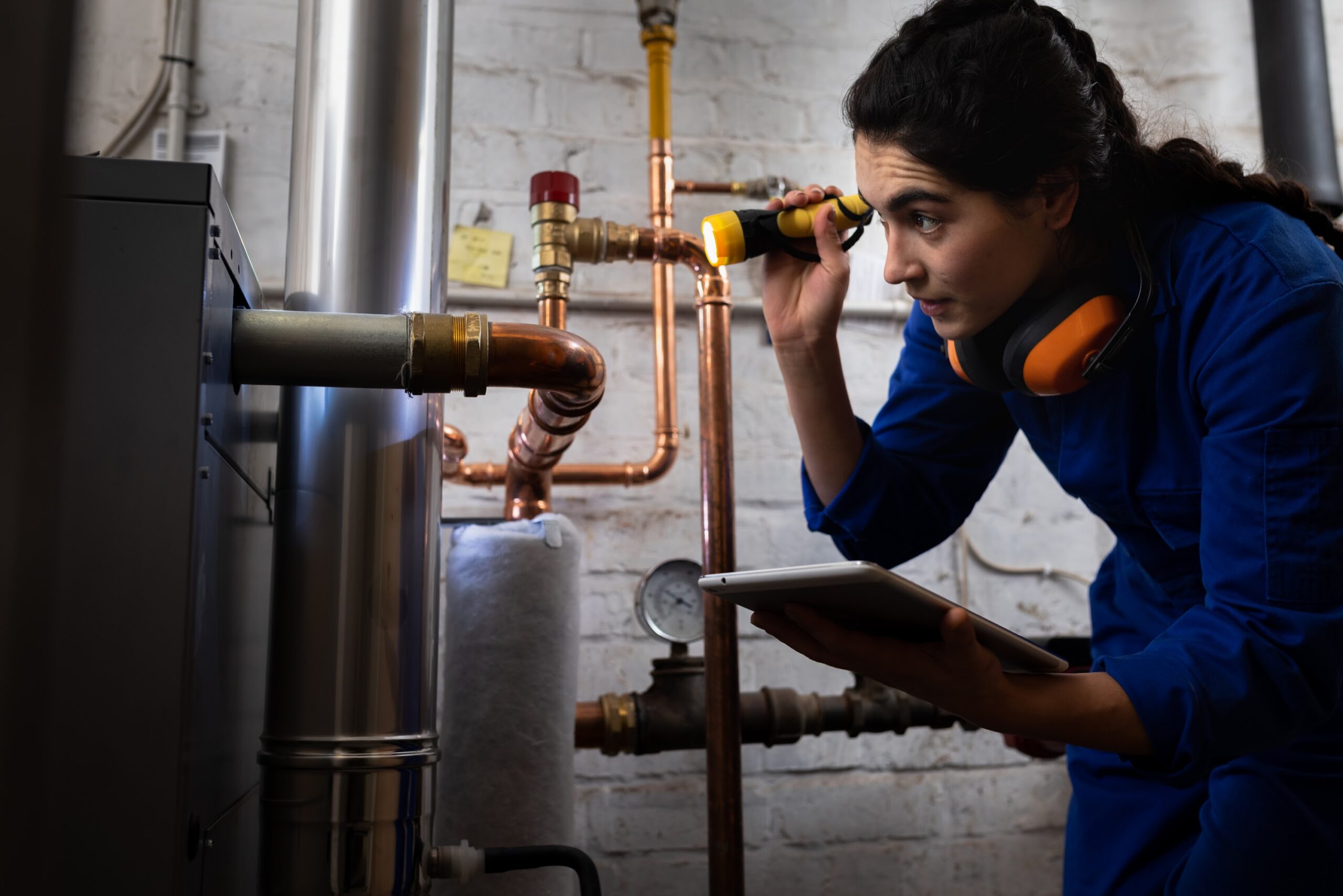
If your home uses steam heating, learning how it works is just the beginning. Knowing how to maintain, repair, or update your system is what really keeps your home comfortable and protects your investment. Steam systems require specialized knowledge, especially in older or historic homes, where the wrong changes can cause uneven heat, noise, or higher energy bills.
The team at American Vintage Home is experienced in servicing and restoring steam heating systems with the care they need. Whether you need regular maintenance, help with repairs, or advice on upgrades that preserve your home’s character, schedule a professional checkup today to ensure your steam heat is ready when you need it.