How Your Hot-Water Boiler Works: A Guide to the 14 Parts in This Diagram
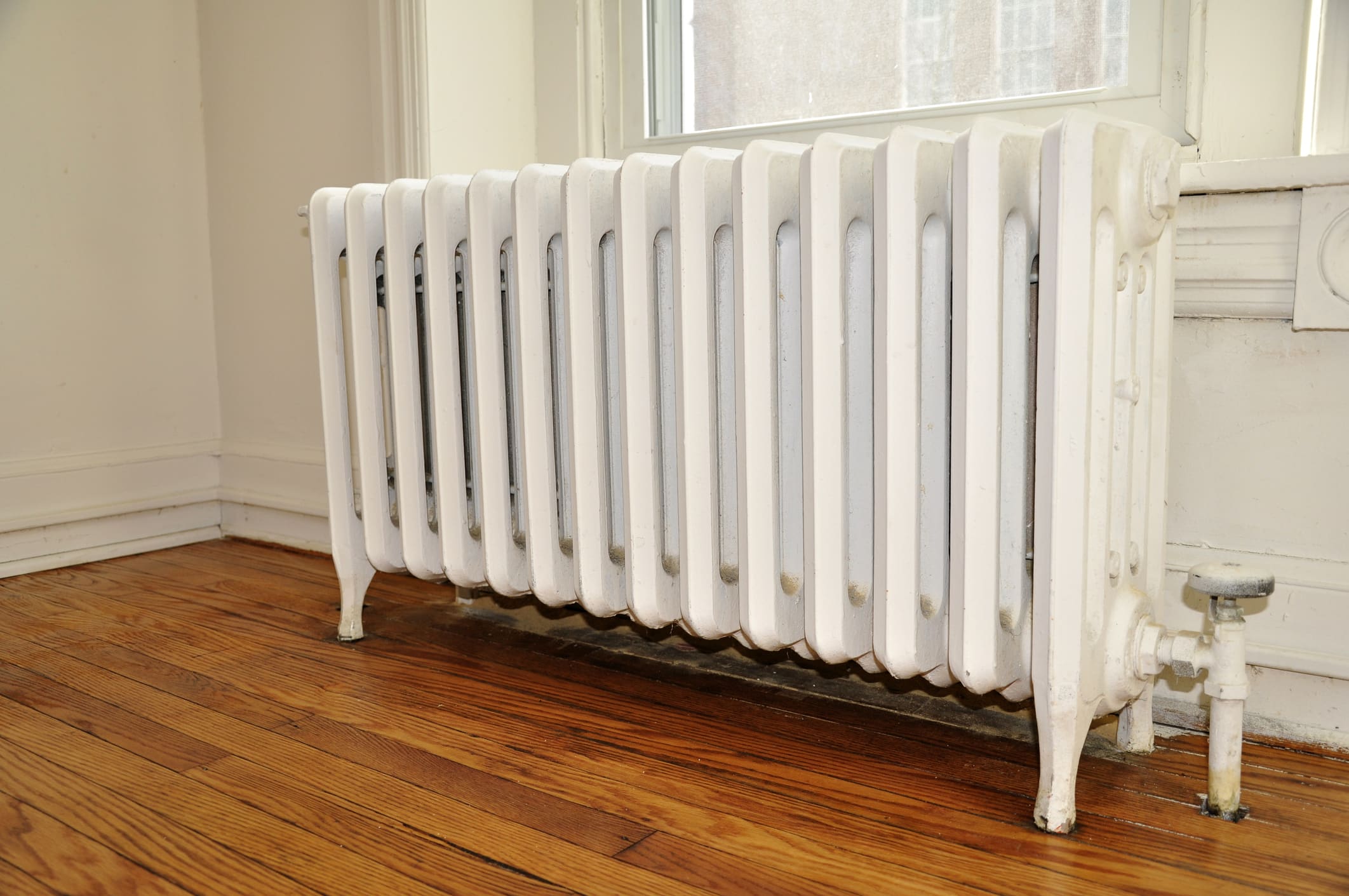
If your Oak Park or River Forest home has radiators, you may recognize the equipment in this illustration: a boiler in the basement surrounded by pipes, valves, and a separate tank. What’s less obvious is how those pieces work together to heat the rooms upstairs.
The diagram shows a floor-mounted, gas-fired hot-water boiler. Some newer boilers hang on the wall, and their piping may look different, but the basic job is the same: heat water so it can carry warmth through the home.
Follow the numbers in the illustration to learn what each part does. Your system may have a different arrangement, so use this as a guide to the components rather than an exact map of your basement.

Follow the Water—and the Numbers
-
Gas-Fired Hot-Water Boiler
This is where the water receives its heat. The boiler burns natural gas, transferring heat to water that travels through the home’s radiators. Despite the name, a hot-water boiler heats water without turning it into steam; steam boilers use a different process. -
Gas Line
This pipe delivers natural gas to the boiler’s burner. It supplies the fuel for heating, while the other pipes shown carry water or exhaust. -
On/Off Switch
The switch cuts electrical power to the heating system. Even though the boiler burns gas, it also needs electricity to operate its controls and circulating pump. This switch serves a different purpose from the thermostat, which calls for heat based on room temperature. -
Air Separator
Air trapped in the heating water can contribute to noise and interfere with circulation. The air separator removes that air as water passes through, helping the system move heat through the home. -
Circulating Pump
Heating the water is only part of the job. This pump moves it through the piping to the radiators and back to the boiler, keeping heat traveling through the system. -
Supply Pipe
The supply pipe carries heated water away from the boiler toward the radiators. The arrows in the illustration show the direction of flow. -
Return Pipe
After water gives up some of its heat at the radiators, it travels back through the return pipe. The boiler reheats it, and the cycle continues. “Cooled” water here means cooler than when it left the boiler—not necessarily cold. -
Cold Water Supply
This connection allows water from the home’s plumbing to enter the heating system for filling and maintaining pressure. During normal operation, the heating water circulates repeatedly rather than being replaced on every trip through the boiler. -
Backflow Preventer
This device helps keep heating-system water from flowing backward into the home’s drinking-water supply. It protects the connection between two water systems that serve different purposes. -
Water Feeder
Also called an automatic fill valve, the water feeder admits water when system pressure falls below its setting. It works with the cold water supply connection to maintain the system’s water level and pressure. -
Expansion Tank
Water takes up more space as it heats. The expansion tank accommodates that increase in volume, helping control pressure as the system warms up and cools down. -
Drain Valve
This valve provides a place to release water from the boiler during service. It sits low on the boiler shown in the diagram. Draining is a service task, not something homeowners need to do as part of everyday operation. -
Vent
The vent carries combustion exhaust away from the boiler. On the type illustrated, it typically connects to a chimney. Other boiler designs may vent directly outdoors through different piping. -
Vent Damper
The vent damper closes the flue when the boiler is off to reduce heat escaping up the chimney. It opens for burner operation so exhaust can leave through the vent.
Getting to Know Your Boiler Before You Need Service
Recognizing these parts can make a service conversation easier. You can describe where you noticed a drip, point out a new noise, or explain which rooms aren’t warming up. Those observations give a technician useful information, even when you don’t know what is causing the problem.
Schedule professional boiler service annually to help maintain safe, reliable operation. In an older home, choose a heating professional who understands both boilers and the radiator systems they serve.
Keep troubleshooting and adjustments in trained hands. Familiarity with the diagram helps you understand your heating system; diagnosing a problem requires a closer look at how its components are actually operating.